A student once told me that learning the loci felt like memorizing a foreign alphabet. Letters everywhere, each doing something different, and no obvious connection between them. By the end of this guide, you will see how elegantly these pieces fit together.
If you have not read my Color Genetics 101 article yet, start there first. You will need that vocabulary foundation to make sense of what follows.
The Hierarchy: Why Order Matters
Here is something textbooks often get wrong: they present the loci as equals. They are not. These genes work in a hierarchy, where some can completely override others.
Think of it like a chain of command. The E locus is at the top. If it says "no pigment in the coat," nothing else matters, which is why surprise colors can appear even when you think you know your lines. Below that, the A locus determines pattern. Only after pattern is established do B, D, and other loci affect the shade of that pattern.
Let me walk you through each locus from most dominant in effect to least.
The E Locus (Extension): The Master Switch
The E locus is where I always start teaching because it has veto power over everything else. This locus controls whether dark pigment (eumelanin) can extend into the coat.
Key alleles:
- E - Normal extension. Dark pigment can reach the coat normally.
- Em - Melanistic mask. Creates dark facial masking (think German Shepherds).
- e - Recessive red/yellow. No dark pigment in coat, only phaeomelanin (red/yellow pigment).
The "ee" Aha Moment
A Golden Retriever breeder once asked me why her dogs could not produce black puppies. I showed her that Goldens are homozygous ee. It does not matter what they carry at other loci - those beautiful blacks and chocolates are genetically present but the E locus will not let them show. Her exact words: "So my cream dog might be secretly carrying black?" Exactly.
The A Locus (Agouti): The Pattern Painter
Once E says pigment can reach the coat, A decides how that pigment gets distributed. This is where you get sable, tricolor, black-and-tan, and solid patterns.
Key alleles (from most to least dominant):
- Ay - Sable/fawn. Yellow/red base with some dark-tipped hairs.
- aw - Wild sable/wolf grey. Banded hairs creating a wolf-like appearance.
- at - Tan points. Black/liver with tan markings (Doberman, Rottweiler pattern).
- a - Recessive black. Solid color, no pattern.
The dominance hierarchy here matters greatly. A dog that is Ayat will be sable, not tan-point, because sable is dominant. But breed that dog to another carrier and you could get tan-point puppies.
The K Locus (Dominant Black): The Override
I should mention the K locus here because it interacts closely with A. Many geneticists now consider K more important than the traditional hierarchy suggests.
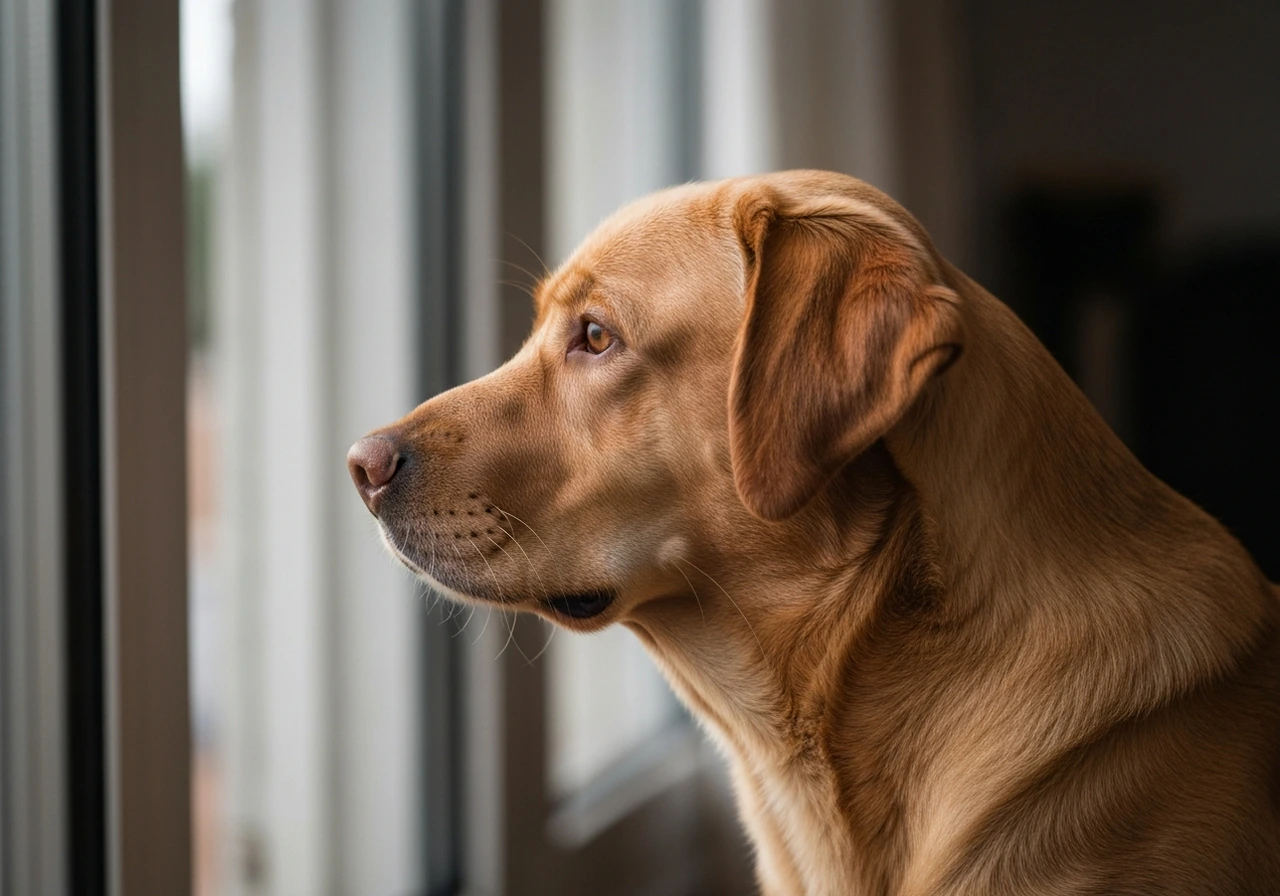
- KB - Dominant black. Overrides A locus patterns, producing solid black.
- kbr - Brindle. Allows A locus pattern to show but adds striping.
- ky - Allows A locus pattern to express normally.
This is why some breeds are always solid colored while others show the full rainbow of A locus patterns. It depends on which K alleles are fixed in the breed.
The B Locus (Brown): The Pigment Type
This is one of the simplest loci to understand. Two alleles, clear effect, no complicated interactions.
- B - Black eumelanin. Dark noses, dark eyes, black in coat.
- b - Brown eumelanin. Brown noses, amber eyes, chocolate/liver in coat.
One copy of B and the dog has black pigment. Only when homozygous bb does brown appear. This affects not just coat but also nose leather and eye color.
Teaching Story
I remember a breeder who was frustrated that his chocolate Lab kept producing black puppies when bred to black bitches. "But chocolate should be dominant because it is such a strong color!" I explained that color intensity has nothing to do with genetic dominance. Black masks chocolate, not the other way around. His chocolates will only come from breeding to other chocolate carriers.
The D Locus (Dilute): The Intensity Dial
The D locus is like a volume knob for pigment intensity. Full strength or half strength, nothing in between.
- D - Full pigment. Colors express at normal intensity.
- d - Dilute. Colors express at reduced intensity.
When combined with B locus results:
- B_D_ = Black
- B_dd = Blue (diluted black)
- bbD_ = Chocolate/Liver
- bbdd = Isabella/Lilac (diluted chocolate)
Health Note
Dilute colors (dd) are associated with Color Dilution Alopecia in some breeds. This skin condition causes hair loss and skin problems. Before breeding for dilute colors, research whether this is a concern in your breed. This is why understanding genetics matters beyond just aesthetics.
The C Locus (Color/Albino): The Modifier
The C locus is less straightforward than the others. It affects overall pigment production, creating a range of effects from full color to albino.
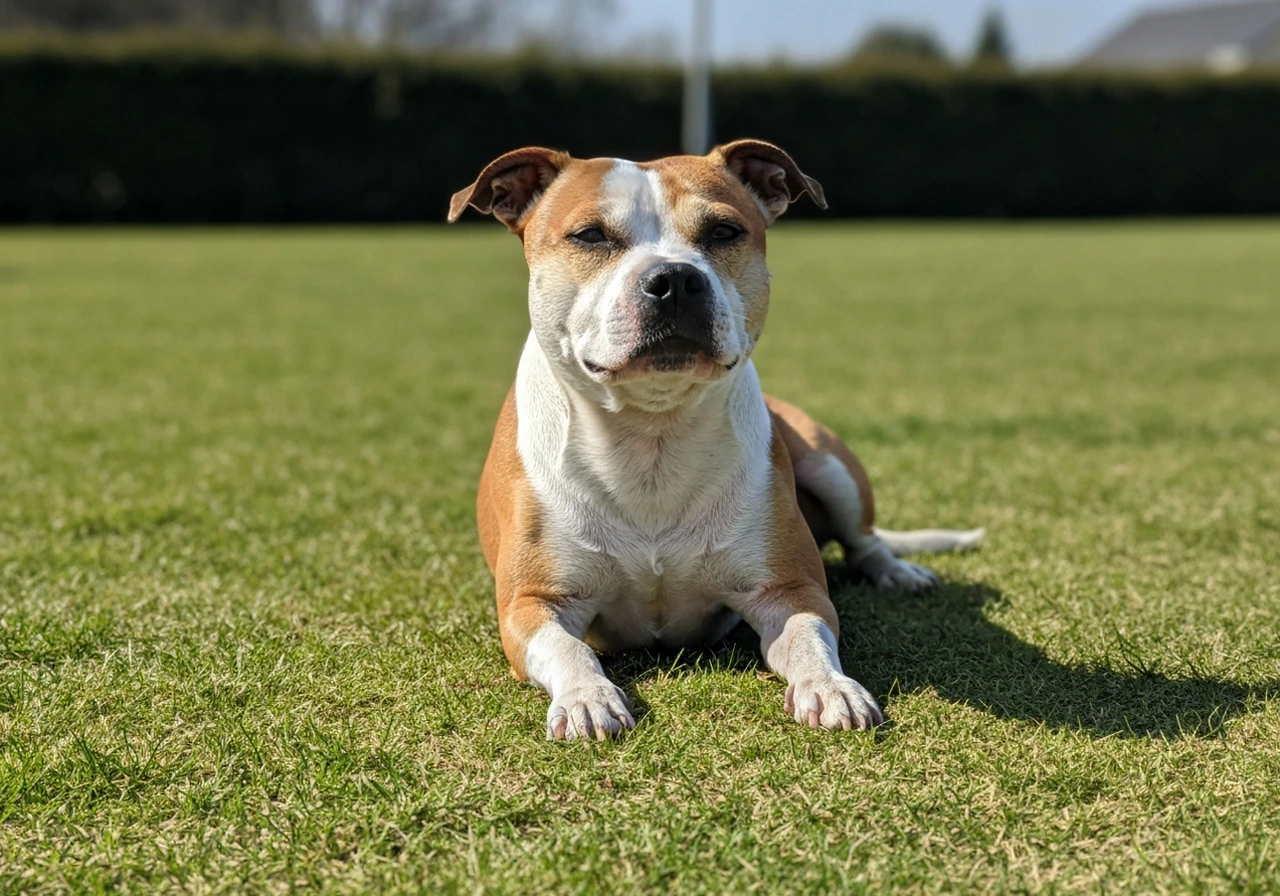
- C - Full color. Normal pigment production.
- cch - Chinchilla. Reduces phaeomelanin, leaving eumelanin relatively intact.
- ce - Extreme dilution. Severely reduced pigment.
- c - Albino. No pigment production (rare in dogs).
True albinism is extremely rare in dogs. Most "white" dogs are not albino but rather extreme dilutions or combinations of other genes, such as the e/e genotype that produces white German Shepherds (explained in detail at White Shepherd Genetics). The pink-eyed, completely unpigmented albino is almost never seen in domestic dogs.
How Loci Work Together: A Complete Example
Let us put this all together with a practical example. Say you have a black Labrador with the genotype:
E/E - B/b - D/D - A/A
What do we know about this dog?
- E/E - Normal extension, dark pigment reaches coat
- B/b - Carries chocolate but appears black
- D/D - Full intensity, no dilution
- A/A - Solid color (though in Labs, K locus matters more)
Phenotype: Black Lab. But if bred to another chocolate carrier, 25% of puppies could be chocolate. This is why DNA testing matters so much for planning breedings.
Learning to See the Layers
The more you work with these concepts, the more you will start seeing dogs differently. That blue merle Border Collie is not just "pretty." Your brain will start parsing: E allows pigment, M creates the merle pattern, dd dilutes the black areas to blue...
This is exactly how professional color breeders think. They see the layers, the interactions, the possibilities.
Ready to start predicting colors yourself? My guide to Punnett squares will teach you the practical tool you need.
Or if you have already experienced a "surprise" color in your litters, my article on hidden genetics explains exactly how that happens.
Partner Resource
For herding breeds, coat color is just one piece of the genetic puzzle. Learn about health-related genes including MDR1 drug sensitivity at The Herding Gene.